Plumbing still begins with a keen eye, a steady hand, and respect for water’s habit of finding the weak point. What’s changed is the inventory we carry and the diagnostics we trust. The best plumbers still judge by sound and smell, but they also roll out inspection reels, scanners, compact pumps, and programmable cutters that would have looked like science fiction to the old guard. Good tools don’t replace judgment. They make it repeatable, safer, and faster, while keeping customers from paying for guesswork.
Over the past fifteen years I’ve watched small shops and large plumbing companies add a quiet layer of technology to the van. Cameras that see upstream of a blockage. Locators that map a buried lateral to the inch. Descalers that shave mineral like a dentist brightening a smile. Hydro units that clear a 100 foot tar mat without ripping a clay joint. None of this matters if a plumber doesn’t know when to use each one or when to put it back in the case. That judgment, more than the sticker price, separates a tool from a toy.
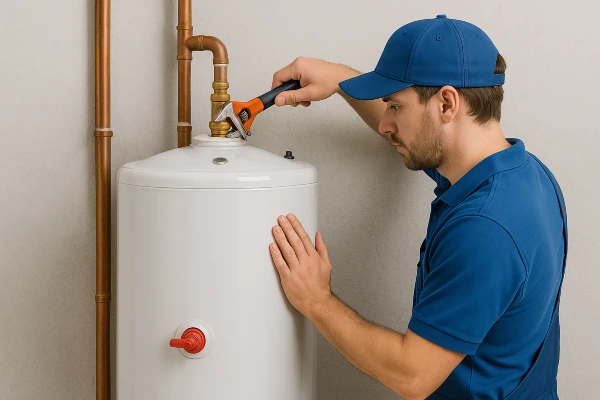
Why the new machines matter to the trade
Water and waste systems are aging at the same time building codes are tightening. A typical mid‑century home can hide Orangeburg pipe, galvanized mains, and a web of remodel-era tie‑ins. Add tree roots, hard water, and the odd contractor shortcut, and you get jobs where a wrench and a prayer aren’t enough. Modern machines give plumbers three advantages that change the economics of a call.
First, documentation. A recorded inspection reduces disputes, helps prioritize repair budgets, and shortens bids. Second, precision. When you can mark a blockage at 47 feet with a depth of 38 inches, you dig once and exactly where you need to. Third, noninvasive options. Homeowners tolerate a 2 hour hydro-jet session. They do not forgive the wrong slab trench. Plumbing companies with the right machines convert more diagnostics into approved work because the evidence is clear and the fix is targeted.
Camera systems: your second pair of eyes in the pipe
There is no modern plumbing without cameras. A small shop can get by with a compact reel and a handheld screen. Larger outfits use modular rigs with swappable heads and longer push rods. What matters is image clarity, distance, and how well the rod handles bends. Thin rods go farther in smaller pipes, but feed poorly in long clay laterals. A mid-stiffness 200 foot reel covers most residential and light commercial work.
The head design is not trivial. Self-leveling cameras save time reviewing footage because the horizon stays upright as the head rolls through fittings. Pan‑and‑tilt heads earn their keep in big diameter storm lines or when inspecting a cracked hub where you need to look “off axis.” Without that control, you might miss a hairline crack masked by flow lines. Spend time learning focus and lighting; too much LED can give you a snowstorm of glare that hides cracks. Sometimes you want to dim and slow down.
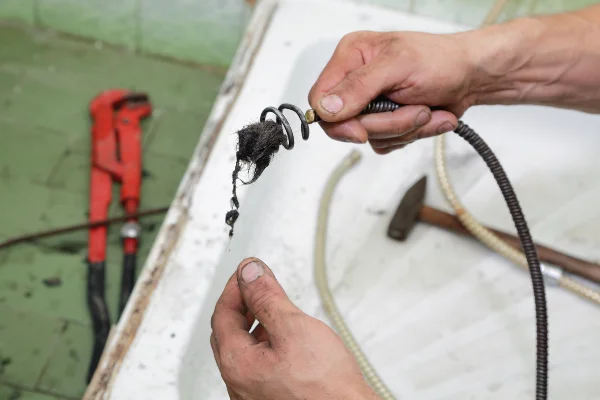
Recording inspections protects you and your customer. I label the file with address, line type, and direction of travel, then call out footage markers as I go. At 12 to 14 feet you expect to see the building cleanout, at 47 feet the city connection. When those landmarks are off, you know the plans are wrong or the home had a remodel. Video plus a map beats memory every time.
Locators and line tracing: making the invisible visible
A camera without a locator is only half a tool. Modern locators read a transmitter in the camera head and show both position and depth. The cheaper wands can get you within a foot. The better sets identify signal distortion from rebar or power lines and let you null out interference. Accurate depth matters when a dig crosses a driveway or roots snake under a retaining wall. I still pop a pilot hole with a probe bar to confirm depth before the saw hits concrete, but a good locator means those pilot holes land.
Sometimes you can’t push a camera through, especially in collapsed Orangeburg or grease-packed restaurant laterals. That’s when a sonde on a fiberglass rod or a tone generator on a tracer wire maps the path. Commercial sites with mixed utilities require care. Cross talk from electrical conduits can throw you. Walking the line slowly, sweeping left to right, and re-checking from two angles keeps you honest. The difference between a well-trained crew and an expensive mistake is often this ten-minute double-check.
Hydro-jetters: water as a scalpel, not a club
Cable machines still have a place. They’re fast on soft clogs near the fixture and can burr through roots if you have the right head. But when you face grease, scale, sand, or a line with repeated issues, hydro-jetting is safer for the pipe and more thorough. The trick is matching the unit and nozzle to the job.
Portable electric jetters run 1.5 to 2.0 gallons per minute at 1,500 to 2,000 psi. They excel at small-diameter interior lines. Trailer units push 8 to 18 gallons per minute at 3,000 to 4,000 psi, plenty for 4 to 8 inch sewer laterals and many commercial drains. Flow carries debris out. Pressure cuts. A common mistake is chasing high psi without enough gallons per minute. You’ll etch the wall and still leave a bed of sand.
Nozzles are your language. A penetrator head with a tight forward jet opens a hole through sludge. A flusher nozzle, all rear jets at a wide angle, scours and moves debris downstream. A spinner or rotary nozzle scrubs scale. Root-cutting chain flails demand respect; used wrong, they can chew a brittle clay joint. I test in short runs, pull the head to check debris, and verify with a camera. Jetting blind ruins pipes.
Work clean. Use catch screens and sandbags to keep debris out of the city main. Restaurants often need vacuum support to capture grease. A two-tech crew, one on the jetter, one at the cleanout managing flow, cuts risk in half. And always winterize the unit. A frozen pump burns money faster than any other tool failure.
Descaling and milling: giving old lines a second life
Scale builds unevenly and narrows the pipe until paper behaves like a hook. You can jet it, but thick mineral is stubborn. Milling machines with cable-driven or shaft-driven heads give you control to shave without gouging. A good setup lets you adjust speed and head size. I prefer carbide-tipped chains for cast iron and nylon brushes for PVC. The job looks like dentistry. You advance slowly, feel for chatter, and back off at joints to avoid catching a lip.
Dust management matters. Dry milling throws fine particulate. Use water feed where possible, or pair with a vacuum. Many plumbers stop at “it flows.” The right finish is “I can see the host pipe wall and the channel is uniform.” A final camera https://theleanderplumber-company.com pass confirms you didn’t jump a joint or leave a step. Descaling buys time before a full repipe or lining. Be honest about pipe health. If I see repeated channel rot or ovalized cast, I advise replacement. Machines can’t fix metal that has the consistency of wafer.
Trenchless repair systems: less digging, more judgment
Cured‑in‑place pipe (CIPP) lining and point repairs have matured. For homeowners afraid of saw cuts through slab or landscaping, these methods are a relief. For plumbers, they demand discipline. You need accurate measurements, a clean host pipe, and a cure profile that matches material and ambient temperature. Rushing one step leads to wrinkles or delamination.
Pull‑in‑place liners suit short runs and localized defects. Inversion drums handle longer lengths and negotiate bends better. Epoxies come with cure charts. On a 70 degree day a standard resin might give you a 2 to 3 hour work time, then a 4 to 6 hour cure. Heat assist speeds it up, but control matters. Steam or hot water cures even out the profile but require extra safety steps. Never trap steam in a line without proper relief. That caution is learned once.

I always re-open reinstatements with a calibrated cutter, then verify with a camera. Overcut a branch and you weaken the liner. Undercut and you leave a lip that catches paper. The sales pitch for trenchless is minimal disruption. The reality is you spend more time on prep and verification. Customers appreciate the result when their patio stays intact and the line tests like new.
Thermal and acoustic diagnostics: catching what the eye can’t see
Leaks inside walls and slabs used to force a choice between guessing or tearing in. Thermal cameras and acoustic sensors give you a third option. Thermal imaging shows temperature differentials. A hot water slab leak appears as a spreading warm bloom on the floor when the line is pressurized. Cold water leaks show up as cool streaks but are often more subtle because room temperature reduces contrast. Moisture meters confirm the suspicion. I carry both pin and pinless meters. Pinless tests large areas quickly. Pins give you a precise reading at suspect spots.
Acoustic leak detectors pick up the hiss of water escaping under pressure. On copper in a slab, a trained ear can triangulate within a foot. Galvanized or PEX behaves differently. Pressure needs to be stable, and extraneous noise complicates the picture. Refrigerators, HVAC, and street traffic all mask the signal. I often schedule early morning tests for this reason. When the conditions are right, you drill one small confirmation hole instead of opening a four foot exploratory trench.
Smart valves, meters, and remote monitoring: who controls the water, wins
Homeowners know smart thermostats. They are less familiar with smart water valves and ultrasonic meters, but these devices change how service calls unfold. A whole‑home shutoff that senses continuous flow and closes automatically saves a vacation and an insurance claim. Some systems tie to occupancy, time, or learned patterns. Ultrasonic meters read flow without moving parts, which means fewer failures and finer granularity. For plumbers, the value is data. A graph that shows two gallons per minute 24 hours a day points straight to a running toilet or a slab leak.
Installation quality matters more than the brand on the box. Valves need straight pipe upstream and downstream to read correctly, and they must be aligned to avoid strain. Wi‑Fi or cellular connectivity looks trivial until a meter room is a concrete bunker. I keep a set of external antennas and PoE extenders for problem sites. When plumbing companies maintain a monitoring fleet, they generate steady service revenue and catch problems early. Just be clear about privacy and who gets alerts. Customers want control options, not surprises.
Press tools and expansion systems: faster joints, better consistency
Copper and PEX joinery has evolved. Press tools for copper and stainless fittings deliver consistent joints with less fire risk. That alone makes property managers breathe easier. A compact battery press tool with a full set of jaws covers half to three‑quarter inch lines easily. For larger diameters, you step up to a heavier unit. The downside is fitting cost, which runs higher than sweat fittings, and the need for perfectly deburred pipe and fully seated fittings. A missed step produces an O‑ring cut or an incomplete crimp. I test every press with a tug and a glance just like I would a solder joint.
PEX expansion systems, especially those that use cold expansion and a memory sleeve, provide a full‑bore connection, which reduces pressure drop. Expansion heads must match pipe size, and temperature changes your timing. On a cold day the sleeve recovers slowly. If you rush, the pipe won’t fully seat. Both press and expansion tools turn a two‑person solder job into a one‑tech task, and in tight chases they beat a torch that scorches plaster or ligatures. The key is discipline: calibration checks, battery rotation, and keeping jaws clean.
Vacuum excavation and core drilling: surgical access when you must open up
Even with perfect locating, some work requires access. Vacuum excavation, either with air or water, exposes utilities without shovels or backhoes. On municipal sites where fines for utility hits are steep, a compact vac rig pays for itself. Water vac cuts faster but creates slurry you need to contain. Air keeps the spoils dry and reusable but struggles in hard clay. I choose based on soil and disposal options. A ten inch pothole that reveals a gas line saves half a day of blind digging and a near miss.
Core drilling gives you clean holes through slab, tilt‑up walls, or block. Anchored rigs keep the bit true, and water feed reduces dust. If you’re installing new drain stacks or checking a slab for a reroute, overlays of the core pattern matter. Drill too close to a footing and you create a structural problem that wasn’t there. A good plumber reads plans like a framer reads lumber: think about the load path before you cut.
Toilets, traps, and the humble auger: why old tools never retire
Modern machines shine on complex jobs, but the basic kit remains. I keep a closet auger even on days packed with camera work. It’s the fastest way to clear a toy or a wad of wipes a camera would show you but not retrieve easily. A bucket, drop cloths, and a mindset to protect flooring get you invited back. The smartest plumbers I know treat the home like a finished space, not a construction site. Machines can make a mess quickly. The way you set them up matters.
Safety: machines multiply force, so multiply caution
Powerful tools turn small mistakes into big ones. I’ve seen a jetter hose recoil through a window and a chain flail grab a shirt. You manage that with training and routine. Check hoses, relief valves, and electrical cords every morning. Use GFCI on all powered gear near water. Wear eye and ear protection without exception. Communicate clearly with a spotter when you’re running high‑pressure equipment. These aren’t lecture points; they’re how you go home with all your fingers.
One overlooked safety topic is wastewater exposure. Jetting and milling aerosolize pathogens. A simple half mask with P100 filters and a face shield, plus gloves you actually keep on, reduces risk. Disinfect your reels and heads between jobs when you can. The cost is minutes now or days later when your tech is out sick.
Buying versus renting: do the math with honest variables
Not every shop needs a trailer jetter or a full lining kit. Renting bridges gaps without sinking capital. The calculation isn’t just machine price. Include maintenance, storage, insurance, training time, and the jobs you can credibly sell with the tool. For example, a $35,000 jetter with $1,500 a year in maintenance and $600 in insurance needs regular work to justify itself. If you only jet once a month, renting at $300 to $400 per day probably wins. If you’re jetting three times a week, own it.
Cameras, on the other hand, deserve to live in every van. The upfront cost is moderate, they last with care, and they directly lead to billable repairs. Press tools are similar. The added speed, safety, and finish quality justify the purchase as soon as you start multi‑fixture jobs regularly.
Training techs to think with the machine, not because of it
A tool in untrained hands creates false confidence. I’ve watched new techs run a camera past a break because the lens jumped and they assumed it was a joint. I’ve seen hydro operators carve a trench in clay because the head never came off the trigger long enough to check results. Build training around three habits: predict, act, verify. Before inserting a camera, predict what you expect to see based on fixtures and plans. After jetting, run the camera and see if reality matches the model. When it doesn’t, adjust. That loop teaches judgment.
Shadowing matters. Put rookies behind veterans on early jobs. Let them narrate what they see to build vocabulary. Ask them to mark a line, then compare with your own sweep. Pay for manufacturer training when available, but don’t stop there. The equipment rep can explain features. Only field time translates those features into decisions.
A note on customer communication: show, don’t tell
Modern machines help with more than mechanics. They explain. A homeowner who watches a camera feed sees the root ball and understands why a quick snake won’t last. A property manager who receives a map with depth readings approves the minimal dig. A restaurant owner who sees the grease mat respond to a rotary nozzle schedules quarterly service before the holiday rush. Plumbers who use machines to teach build trust, and trust closes estimates.
Edge cases: when the fancy gear stays in the truck
Not every job benefits from the newest machine. A shallow ABS line with a single soft clog may clear fastest with a small cable. A hairline crack in a copper domestic line behind a fragile plaster wall might be best repaired with a small, surgical opening and a press coupling, no cameras needed. Thermal imaging misleads if the slab is sun‑warmed or radiant heating confuses the map. A trenchless repair over corroded, out‑of-round cast iron can fail early, turning a win into a callback. The right call is sometimes to repipe, or to do less, not more. Experience is knowing the difference.
Benchmarking performance: numbers that keep you honest
Track your outcomes. Time to clear, recurrence within 90 days, number of dig points that were within six inches of the mark, number of joints that leaked on pressure test. These aren’t vanity stats. They reveal training needs and equipment issues. If callbacks spike after switching to a new nozzle set, the problem might be technique or an ill‑matched flow rate. If press joint leaks cluster by one crew, check calibration and jaw wear. Data grounds stories, and plumbing companies that measure improve faster than those that rely on memory.
The modern plumber’s kit: a practical, progressive path
For plumbers building out their arsenal, start with essentials that multiply your senses. A reliable inspection camera with a locator. A mid‑range press tool. A compact electric jetter if you handle lots of interior drains. Add acoustic and thermal tools when you frequently chase hidden leaks. Graduate to a trailer jetter or trenchless gear when your job mix and team maturity justifies it. Skip the gimmicks that promise a fix without evidence. The market for plumbing modern machines is noisy. A good rule is to favor tools that help you measure, visualize, and verify.
A quick, five‑item checklist I keep taped inside a van door helps crews avoid dumb mistakes on high‑tech jobs:
- Predict the line path and depth before you scope. Write it down and challenge it as you go. Match jetter flow, pressure, and nozzle to the material and debris, then confirm results with a camera. Clean, calibrate, and label every recording. Vague files create vague decisions. Choose repair methods based on pipe health first, not tool availability or sunk cost. Communicate findings with visuals and plain language, then document the fix.
Where this all leads
The trade never stops evolving. Robotics now thread through laterals, mapping defects while self‑propelling. Compact cutters reopen branch connections to a precise measurement inside liners. Smart valves integrate with insurance policies, rewarding customers who install them. None of this replaces the core craft. It sharpens it. A plumber who understands both the feel of an old brass stop and the feedback of a locator’s tone does better work, charges fairly, and sleeps at night.
Every shop has to choose where to invest. Choose the machines that reduce risk, shorten diagnosis, and elevate your craft. Teach your team to think before they push a button. Keep the old tools ready and the new tools clean. The rest is the same as it has always been: water wants a path, and your job is to give it one that doesn’t ruin the building.
THE LEANDER PLUMBER - COMPANY 1789 S Bagdad Rd #103, Leander, TX 78641 (737) 530-8021